 OVERVIEW
Ongoing
OVERVIEW
Ongoing
Emergency Food Basket Distribution
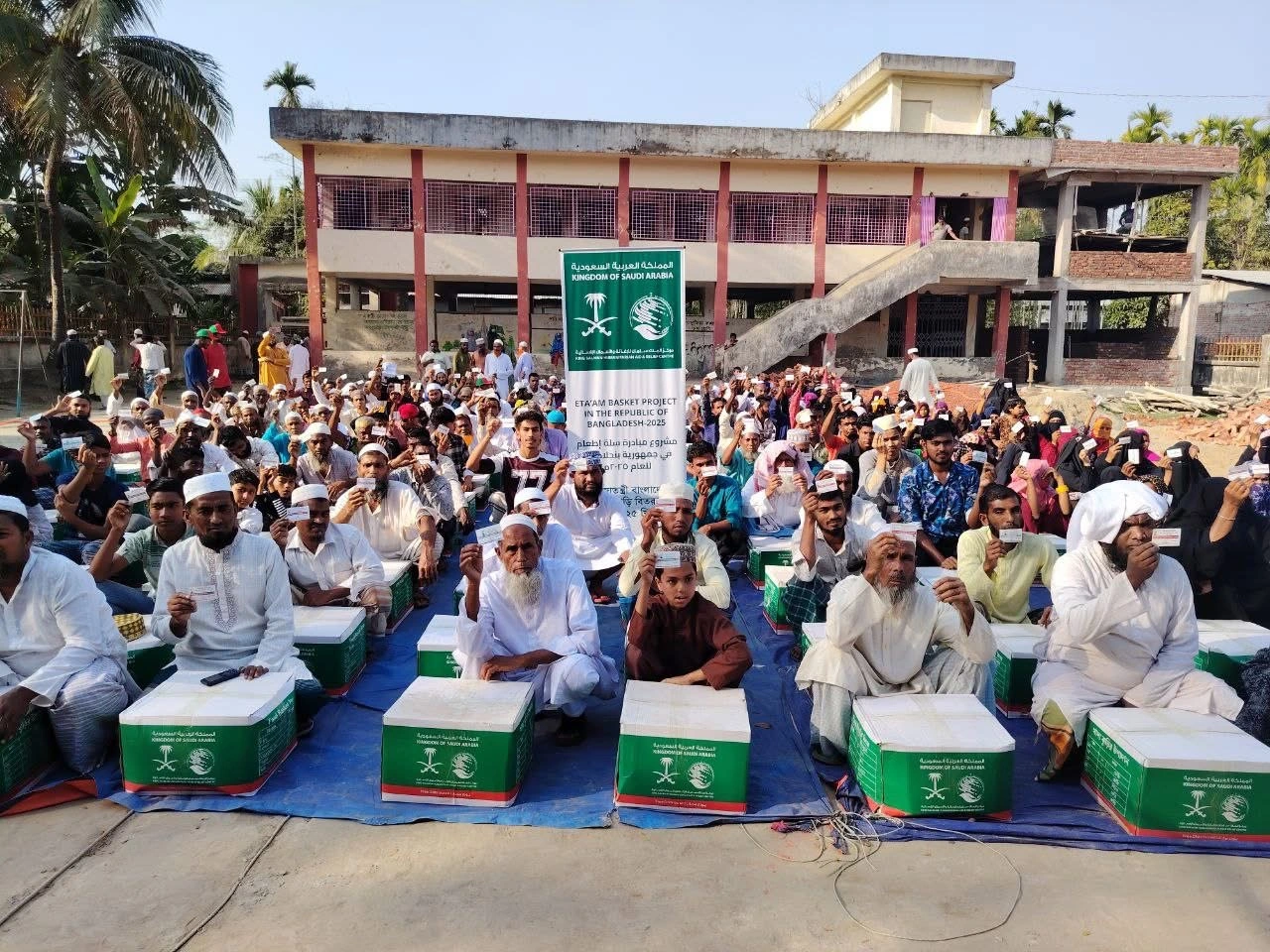
Food insecurity can place enormous pressure on vulnerable families, particularly during periods of displacement, poverty, natural disasters, and humanitarian crises. Recognizing the urgent need for food assistance, Sunbulah Welfare Association (SWA), Bangladesh, implemented the “Emergency Aid Project in the Republic of Bangladesh – 2022 & 2024”, financed by the King Salman Humanitarian Aid and Relief Centre (KSRelief), Riyadh, Kingdom of Saudi Arabia. The project was designed to provide essential food assistance to Rohingya refugees and underprivileged Bangladeshi families facing food insecurity and difficult living conditions. Through the distribution of food baskets containing essential household staples, the initiative helped vulnerable families meet their immediate nutritional needs and cope with periods of hardship and crisis. Emergency Food Assistance in 2022 In 2022, SWA distributed a total of 41,700 food baskets among vulnerable families in the Rohingya refugee camps in Cox’s Bazar and in several districts across Bangladesh. The assistance provided critical food supplies to thousands of families who were experiencing severe economic and humanitarian challenges. The distribution helped families access essential food items without having to compromise other basic needs, providing immediate relief and strengthening household food security during a difficult period. Continued Support in 2024 Building on the success of the 2022 intervention, the project continued in 2024, reaching an additional 15,000 vulnerable families across different areas of Bangladesh. The continued assistance helped strengthen food security among disadvantaged households and provided timely support to families struggling with poverty and difficult living conditions. Contents of Each Food Basket Each food basket was carefully prepared with essential staple foods commonly required by families for their daily meals. Every basket contained: 10 kg of Rice 7 kg of Lentils 3 liters of Soybean Oil 3 kg of Sugar 1 kg of Salt These basic food commodities were selected to provide families with practical and meaningful household food support, helping them prepare nutritious meals and manage their immediate food requirements. Reaching Families in Need Across the two implementation periods, the project provided food assistance to a total of 56,700 families. The intervention reached both Rohingya refugee communities and vulnerable Bangladeshi families, extending humanitarian support to people facing different forms of food insecurity and economic hardship. Beyond the distribution of food commodities, the project represents a commitment to protecting the dignity and wellbeing of vulnerable communities. By providing essential food supplies directly to families in need, the initiative helped reduce the burden of hunger, improve household food security, and enable beneficiaries to use their limited resources for other essential needs. SWA is deeply grateful for the generous support of King Salman Humanitarian Aid and Relief Centre (KSRelief) and the continued partnership that made this humanitarian assistance possible. Through effective implementation and community-based support, SWA remains committed to reaching vulnerable families and contributing to humanitarian relief and food security across Bangladesh.
- Emergency Food Assistance – Providing essential food supplies to families facing hunger, poverty, displacement, and humanitarian crises.
- Support for Vulnerable Families – Prioritizing underprivileged Bangladeshi households and Rohingya refugee families who are most in need of immediate food assistance.
 OVERVIEW
Ongoing
OVERVIEW
Ongoing
Orphan Education
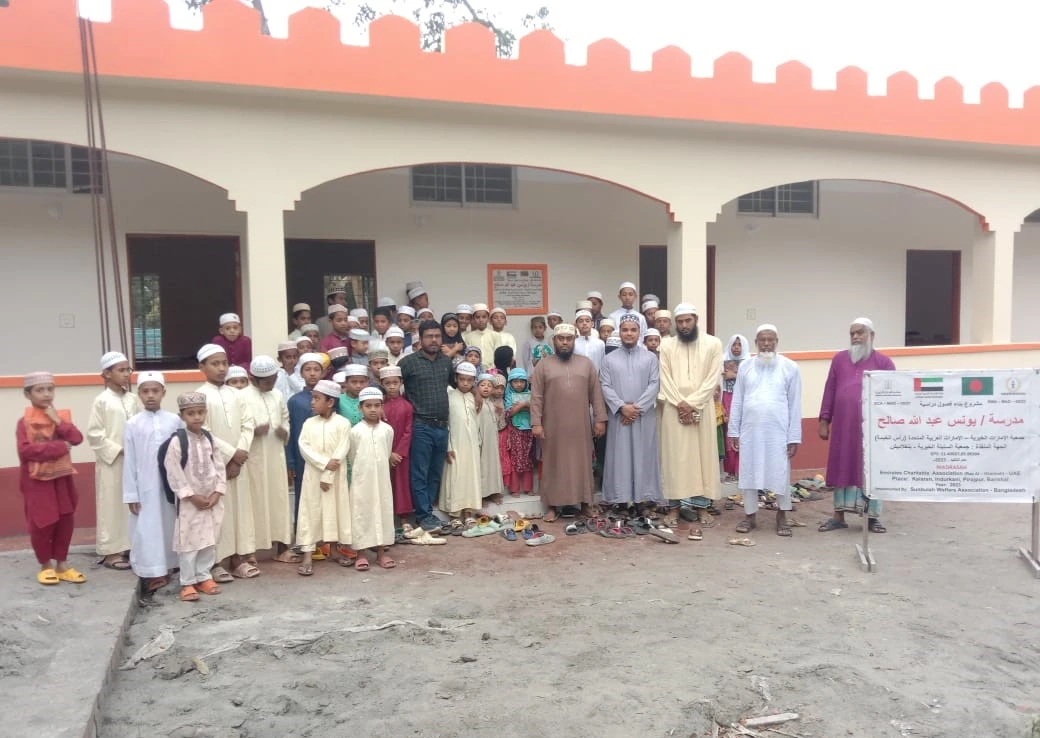
Education is one of the most powerful tools for transforming a child’s life and building a brighter future. However, orphan children in many disadvantaged and remote communities of Bangladesh often face significant barriers to education due to financial hardship, lack of family support, and limited access to educational facilities. As a result, many talented and deserving children remain deprived of the opportunity to learn and develop their potential. Recognizing this critical need, Sunbulah Welfare Association (SWA) has undertaken the Orphan Education Project to support orphan children who are far behind their peers in accessing quality education. Through this initiative, SWA works across different areas of Bangladesh to help vulnerable orphan children continue their education in a safe, supportive, and nurturing environment. The project focuses on providing educational opportunities to children who would otherwise struggle to attend school or madrasah. Support may include educational expenses, learning materials, school-related necessities, and other assistance required to help children remain engaged in their studies. Beyond academic education, SWA aims to nurture good character, moral values, confidence, social awareness, and essential life skills among orphan children. We believe that every child deserves the opportunity to learn, dream, and build a meaningful future regardless of their family or financial circumstances. With the generous support of donors and well-wishers, the project seeks to reduce educational inequality and create opportunities for children who are among the most vulnerable members of society. By investing in their education today, we are helping them become confident, self-reliant, and productive members of their communities tomorrow. The Orphan Education Project is more than an educational support program—it is an investment in hope, dignity, opportunity, and the future of vulnerable children. Through education, SWA strives to ensure that no orphan child is left behind simply because they lack the resources or support needed to learn.
- Access to Education – Helping orphan children who are deprived of regular educational opportunities enroll in and continue their studies.
- Support for Vulnerable Children – Prioritizing orphan children from disadvantaged and underserved communities across different areas of Bangladesh.
 OVERVIEW
Ongoing
OVERVIEW
Ongoing
Tubewell & Sanitization
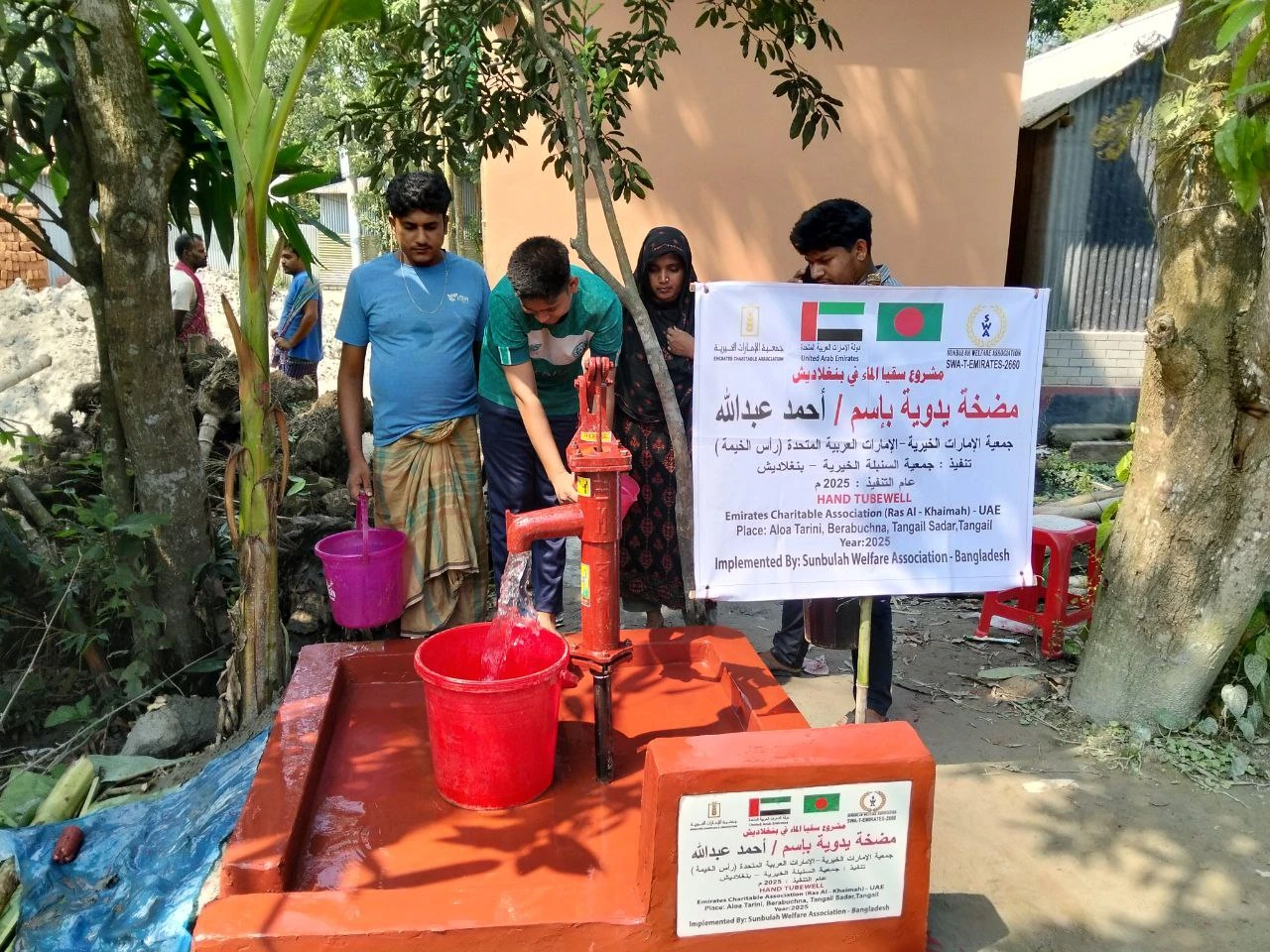
Access to clean and safe drinking water is a fundamental human right. In many remote villages across Bangladesh, families still lack access to safe water. Recognizing this critical need, the Sunbulah Welfare Association (SWA) has been actively engaged in constructing tube wells to serve these communities with the donation of the donors of UAE. Since receiving NGO Bureau registration in 2004, SWA has successfully constructed approximately 2,800 deep and shallow tube wells across Bangladesh by 2025. Each tube well not only provides a reliable source of drinking water but also significantly improves the health, hygiene, and overall quality of life of local residents. Through this project, families no longer have to walk long distances or rely on unsafe water sources. Children’s health is safeguarded, and communities gain the foundation for social and economic development. Every tube well acts as a beacon of hope, providing local people with essential resources for daily life. SWA believes that even a single tube well can transform a life. Through this initiative, the organization is committed to ensuring safe water access, promoting healthy living, and fostering awareness, cooperation, and hope in rural communities.
- Safe Drinking Water – Providing reliable access to clean and safe water for families in rural and underserved communities.
- Support for Vulnerable Communities – Prioritizing remote villages and communities where safe water sources are limited or unavailable.
 OVERVIEW
Ongoing
OVERVIEW
Ongoing
Ablution Center Construction
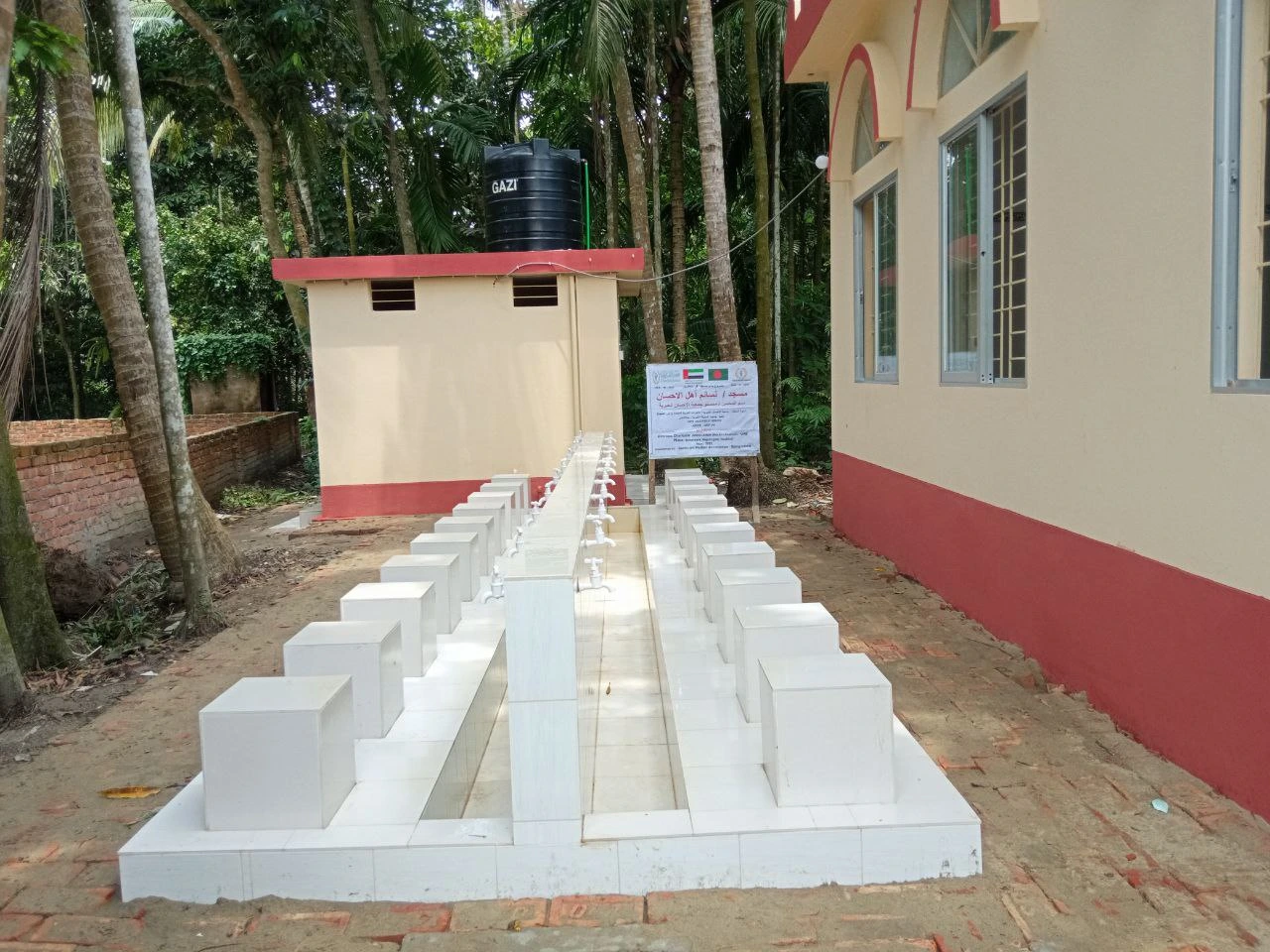
Performing wudu (ablution) is an essential part of Islamic practice and daily worship. The Sunbulah Welfare Association (SWA) has been actively constructing ablution facilities in mosques and madrasahs across Bangladesh with the donation of the donors of UAE, based on local needs and demand. Since receiving NGO Bureau registration in 2004, the organization has successfully built approximately 1,200 ablution facilities by 2025. These facilities provide a clean and convenient space for devout worshippers and madrasah students to perform wudu. Additionally, they offer accessible water for passersby and even local animals, ensuring broader community benefit. The ablution facility project is not only a support for religious practice but also plays a vital role in promoting social responsibility and community welfare. Each facility contributes to SWA’s mission of expanding opportunities for worship while creating a safe, hygienic, and community-friendly environment.
- Religious Practice – Supporting Muslims in fulfilling an essential part of their daily worship by providing suitable facilities for wudu.
- Durable Infrastructure – Building practical and long-lasting facilities that can serve communities for years to come.
 OVERVIEW
Ongoing
OVERVIEW
Ongoing
Madrasha Construction
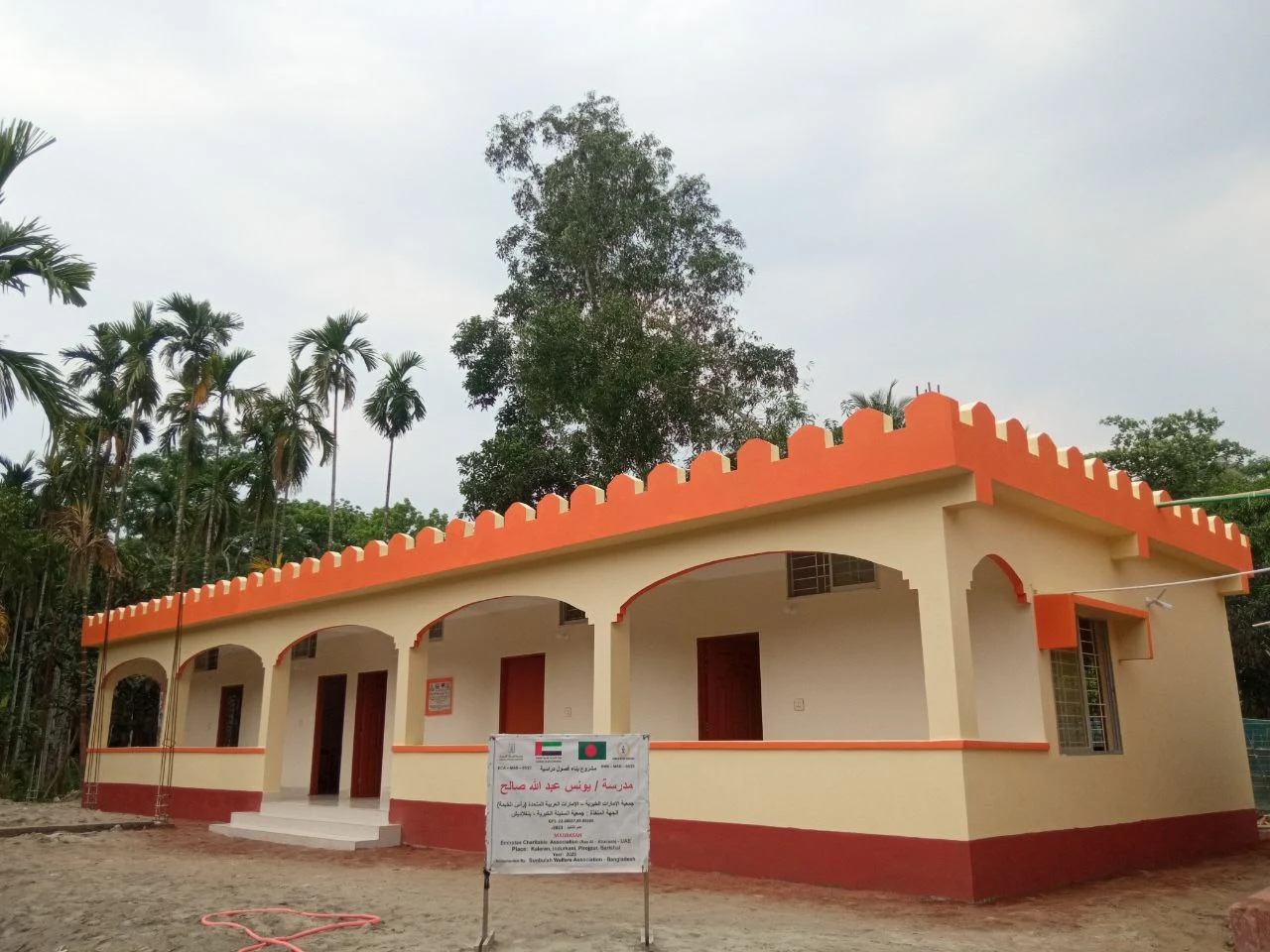
The foundation of Islamic education lies in the madrasah. In Bangladesh, many madrasahs still suffer from a lack of basic facilities, and most of these institutions do not have formal government recognition. As a result, they are primarily run with the support of individuals and local communities. Sunbulah Welfare Association (SWA) has been actively engaged in constructing madrasahs with the donation of the donors of UAE across various districts of Bangladesh based on need and demand. Our goal is not only to establish educational institutions but also to create an environment where children can acquire Islamic education, moral values, and social awareness. Since receiving NGO Bureau registration in 2004, SWA has successfully completed the construction of approximately 12 medium-sized madrasahs by 2025. Each madrasah is equipped with modern and comfortable classrooms, prayer spaces, and necessary educational materials, ensuring a comprehensive learning experience for the students. The entire cost of constructing these madrasahs is generously funded by donors from the United Arab Emirates. With their support, we are transforming each madrasah into not just an educational center, but a vibrant community hub, where local children can gain moral and spiritual education and have opportunities for social interaction. Each madrasah serves not only as a center for learning but also as a space for community development, providing a safe environment for children, and ensuring access to primary education.
- Access to Islamic Education – Establishing and supporting madrasahs where children have limited access to Islamic and primary education.
- Safe Learning Environments – Constructing comfortable, secure, and child-friendly classrooms and learning spaces.
 OVERVIEW
Ongoing
OVERVIEW
Ongoing
Poor House Construction
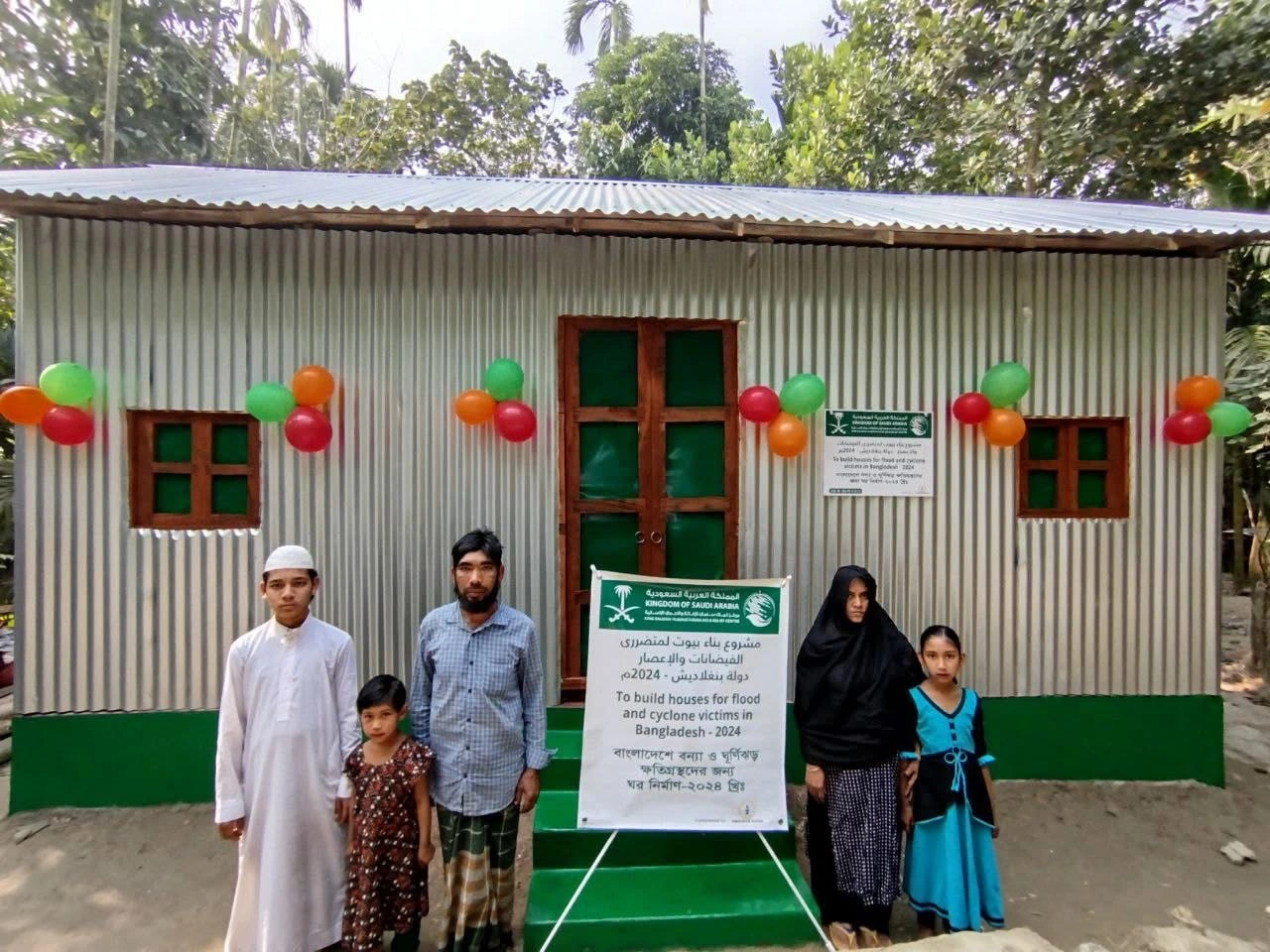
A safe and decent home is one of the basic needs of every family. However, many poor and vulnerable families in Bangladesh live in fragile, overcrowded, or unsafe houses that provide little protection from harsh weather and difficult living conditions. Recognizing the importance of secure housing, Sunbulah Welfare Association (SWA) has undertaken Poor House Construction projects to provide dignified and sustainable shelter to families living in extreme hardship. Through the generous support of donors and other well-wishers, SWA constructs simple, safe, and functional houses for carefully identified low-income and vulnerable families across different areas of Bangladesh. Beneficiary selection is based on need, with priority given to families who lack adequate housing and have limited financial capacity to build or repair their homes. The project aims to improve living conditions by providing families with a secure place to live, protecting them from rain, storms, extreme weather, and other environmental challenges. Beyond providing physical shelter, a home offers families a greater sense of security, dignity, stability, and hope for the future. SWA believes that housing support can create a foundation for broader social and economic wellbeing. With a safe home, families can focus more on education, livelihoods, health, and building a better future for their children. The Poor House Construction Project is therefore more than a construction initiative—it is an effort to restore dignity, strengthen vulnerable families, and create safer communities through the generosity and compassion of our donors.
- Safe & Secure Shelter – Providing durable, weather-resistant homes that protect vulnerable families from harsh environmental conditions.
- Support for the Most Vulnerable – Prioritizing low-income families, widows, orphans, elderly people, and households living in unsafe or inadequate housing.
 OVERVIEW
Ongoing
OVERVIEW
Ongoing
Mosque Construction
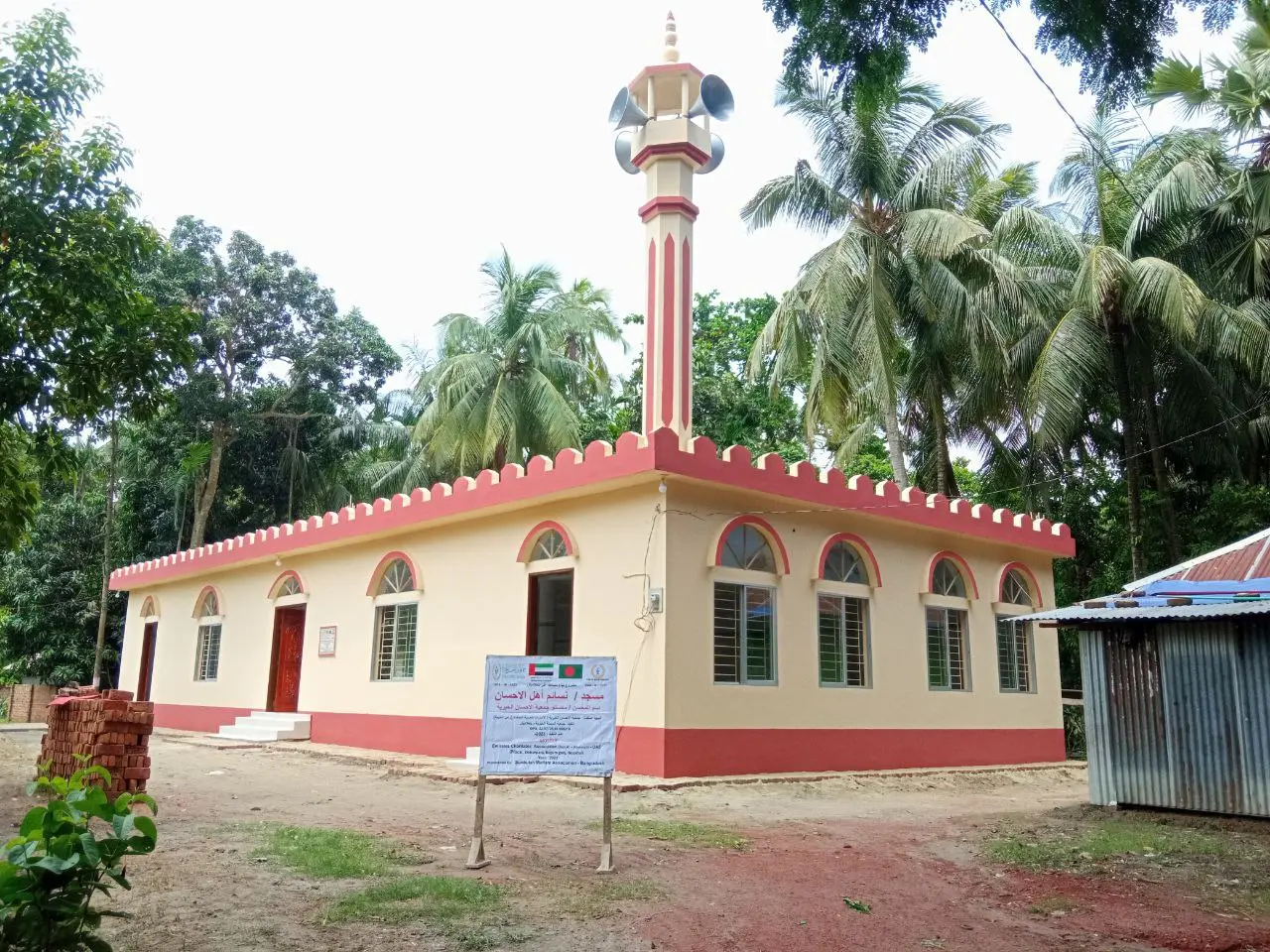
A mosque is a sacred place of worship for Muslims. Since its inception, Sunbulah Welfare Association (SWA) has been actively engaged in constructing mosque with the donation across various districts of Bangladesh, based on religious and social needs. From the very beginning, our goal has been to provide the Muslim community with a conducive and enriched environment for worship. After receiving NGO Bureau registration in 2004, the organization has successfully completed the construction of approximately 76 medium and large-sized mosques by 2025. These projects not only offer spaces for prayer but also serve as educational, social, and cultural centers for local communities. The entire cost of mosque construction is generously funded by donors and other well-wishers. With their support, we ensure that each mosque is not only architecturally appealing but also safe and convenient for worshippers. These mosques are more than just places of worship; they have become vibrant centers for fostering unity and compassion within local communities.
- Accessible Places of Worship – Constructing safe, comfortable, and accessible mosques in communities where they are needed most.
- Quality & Sustainability – Ensuring durable construction, functional facilities, and an environment suitable for long-term use.